



Tooth nerve inflammation, or pulpitis,is one of the most painful and unpredictable dental problems. It often starts suddenly, causing sharp, pulsating pain that worsens at night and radiates to the ear, temple, or jaw. It can interfere with sleep, eating, and daily activities.
Introduction
One important rule: pulpitis does not resolve on its own. It requires professional treatment, and the earlier the patient seeks help, the higher the chance of preserving the tooth's vitality and avoiding complications..
This article explains:
• why inflammation develops,
• what symptoms to look for,
• how treatment is performed,
• which home measures can temporarily reduce pain
Main Causes of Tooth Nerve Inflammation and Key Symptoms
📌 Causes
Pulpitis commonly develops due to:
✔ Untreated cavities (caries) — the most frequent cause
✔ Gum inflammation (gingivitis, periodontitis) — infection can spread into the root canals.
✔ Tooth cracks and trauma — create an entry point for bacteria.
✔ Exposed root surfaces — result from enamel loss or improper brushing techniques.
✔ Complications after dental treatment (rare)
📌 Symptoms
Common signs include:
• sharp, throbbing pain
• nighttime pain episodes
• nighttime pain episodes
• sensitivity to hot and cold
• pain radiating to the head, ear, or jaw
⚠️ If the pain increases, the nerve is inflamed — seek immediate care.
Stages of Treatment — From Diagnosis to Restoration
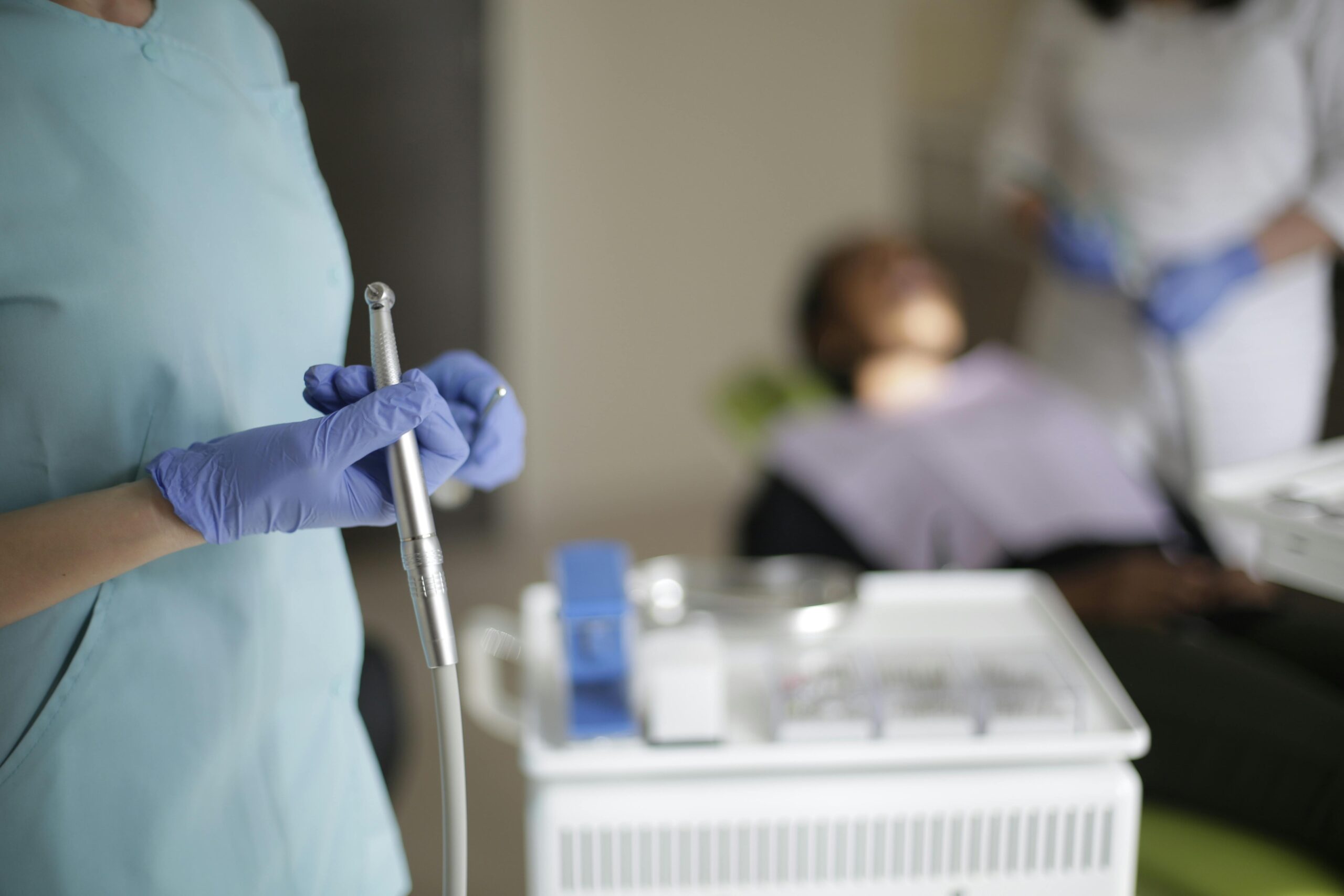
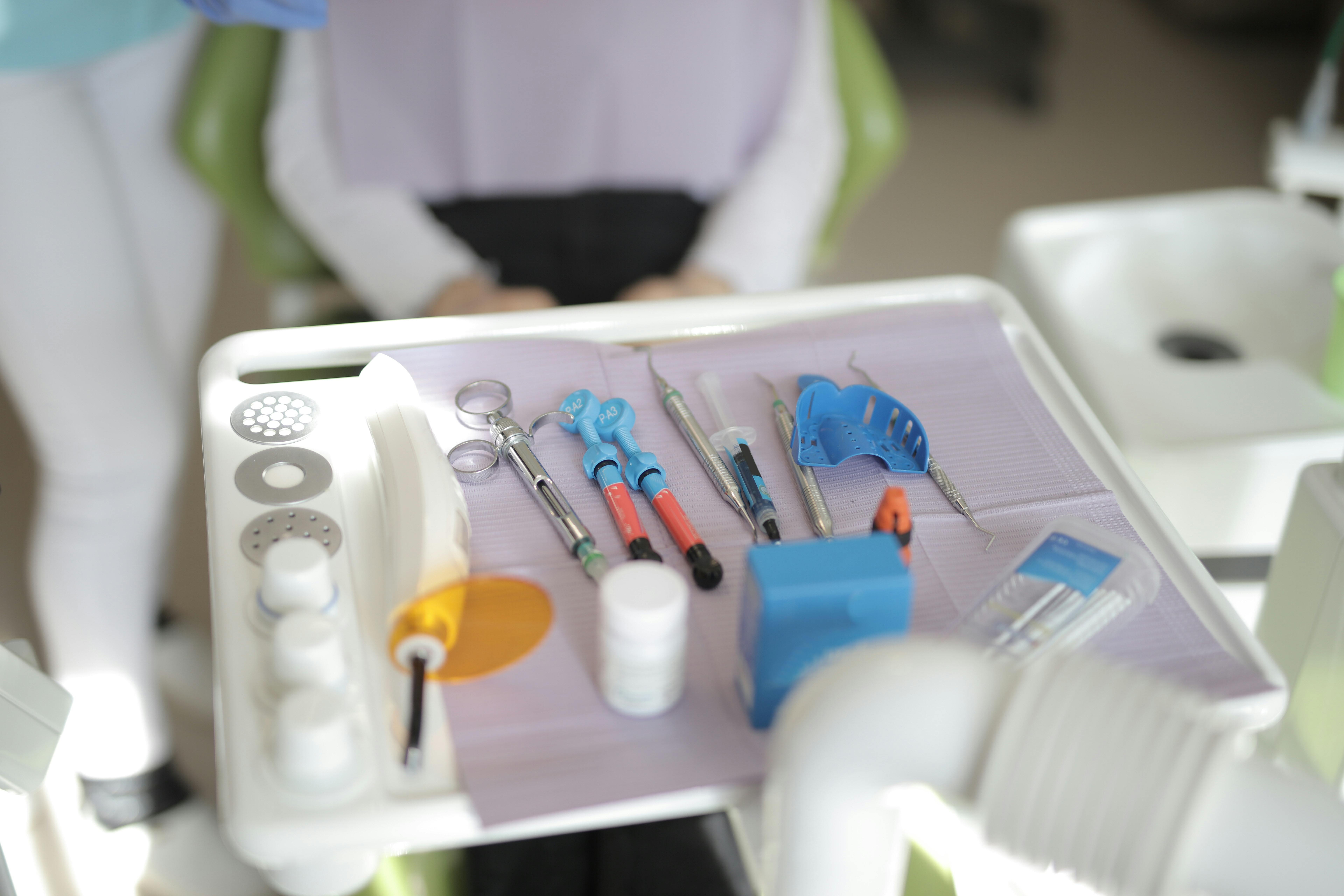
At Aregak Dental Clinic, treatment is performed using digital diagnostics and microscopic precision.
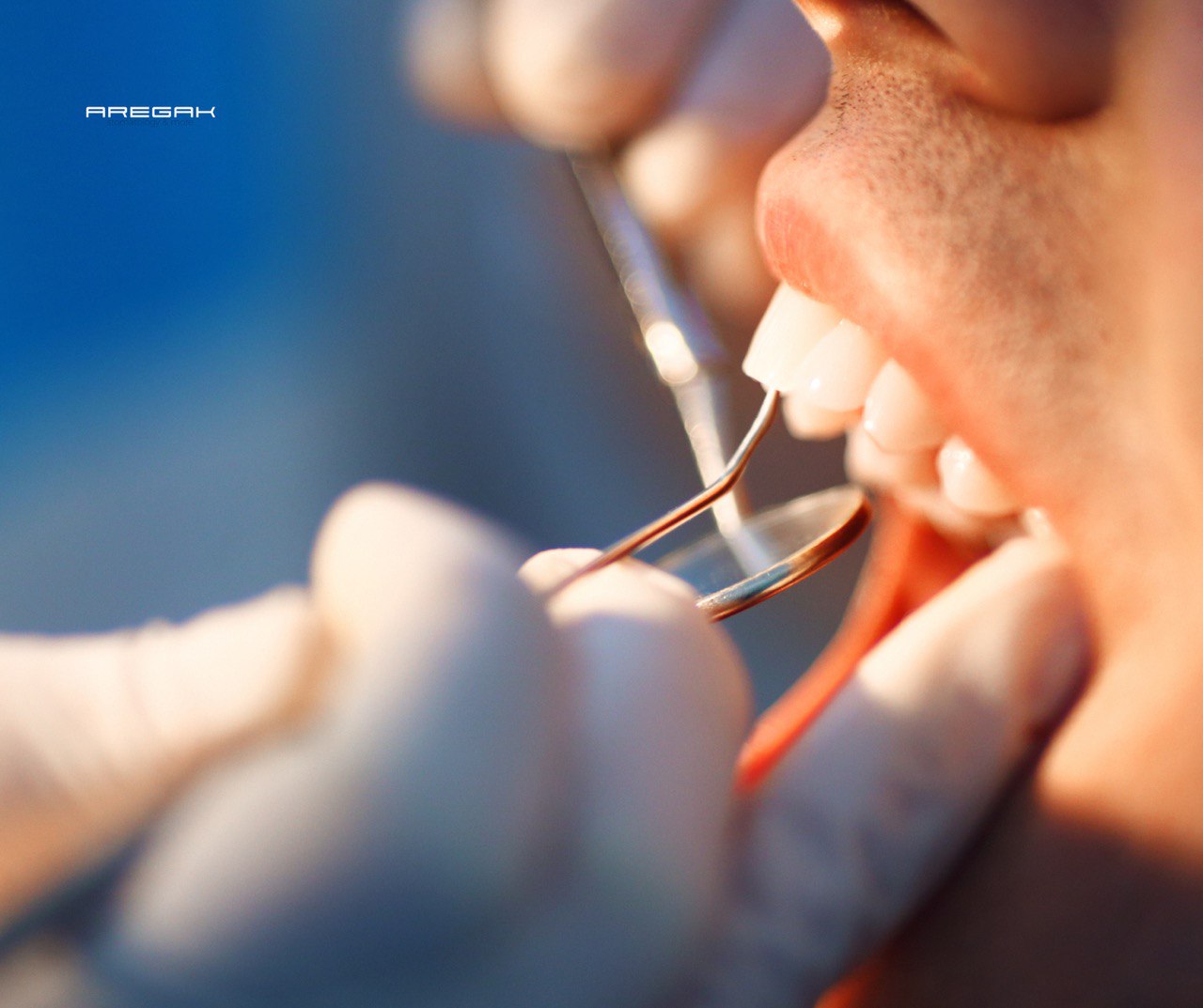
1. DIAGNOSTICS
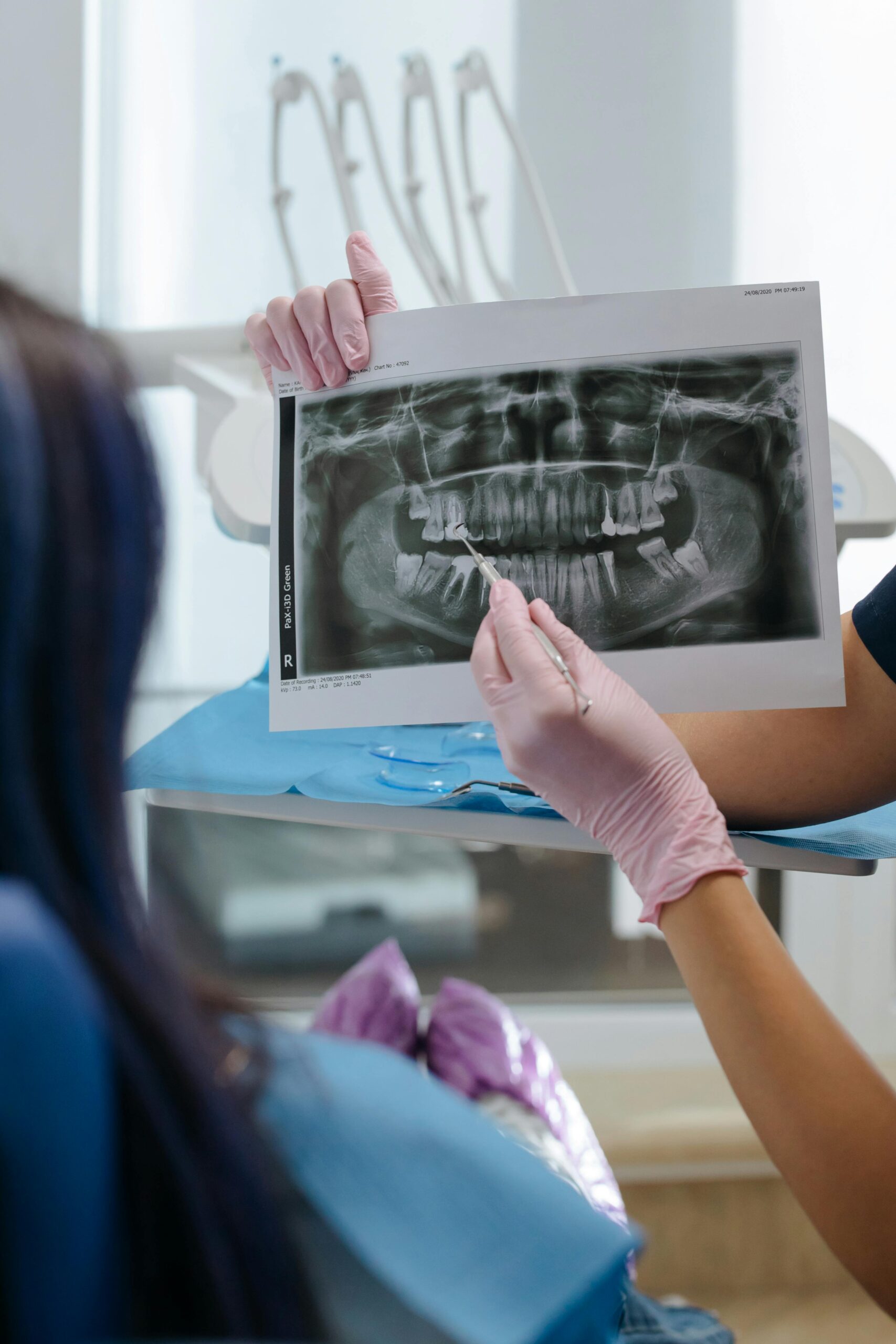
• X-ray or 3D scan • Pulp vitality testing • Evaluation of inflammation depth
2. Pulp Preservation (when possible) Early treatment can sometimes save the nerve.
3․ Root Canal Treatment (Endodontic Therapy) Performed when inflammation is severe. Includes cleaning and sealing the canals.
Is It Possible to Save the Nerve During Treatment?
Yes — if treatment starts early..
Success depends on:
✔ inflammation severity
✔ cavity depth
✔ pain intensity
✔ diagnostic imaging
Benefits of nerve-preserving therapy:
• prevents extensive treatment,
• preserves natural tooth vitality,
• reduces risk of complications.
Daily Hygiene Mistakes That Lead to Nerve Inflammation
Inflammation often develops not only due to cavities, but also as a result of improper oral hygiene.
❌ Most common mistakes:
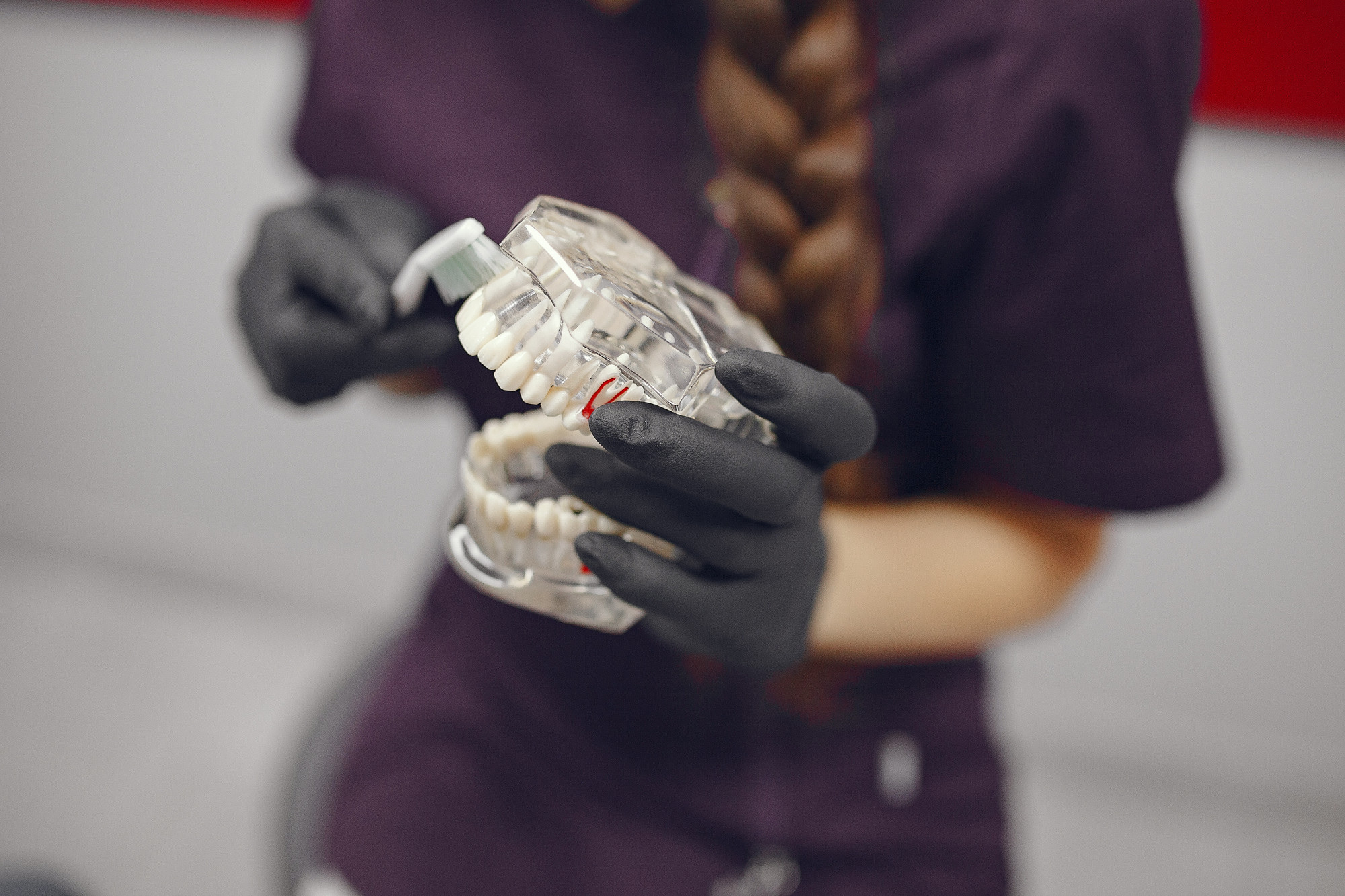
• Inadequate brushing
• Hard toothbrush
• Excessive pressure damaging enamel
• Skipping interdental cleaning
• Frequent sugar and acidic foods
• Low water intake
• Irregular dental check-ups
⚠️ These habits increase the risk of cavities and accelerate pulpitis development.
Home Remedies That Can Temporarily Help
These do not cure pulpitis but may relieve symptoms:
✔ Painkillers
✔ Rinsing with warm saltwater
✔ Cold compress on the cheek
✔ Avoid hot, sweet, or hard foods
✔ Do not chew on the affected side
⚠️ Pulpitis cannot be treated with home remedies.
⚠️ Return of pain = progressing inflammation.
Conclusion
Pulpitis is a serious dental condition requiring immediate treatment.
Don’t wait until the pain becomes unbearable — early treatment saves teeth and protects your health.
At Aregak Dental Clinic, we provide:
🔸 Digital diagnostics
🔸 Microscope-assisted endodontic therapy
🔸 Safe and effective anesthesia
🔸 Comprehensive restorative treatment
🔸 Personalized care plans