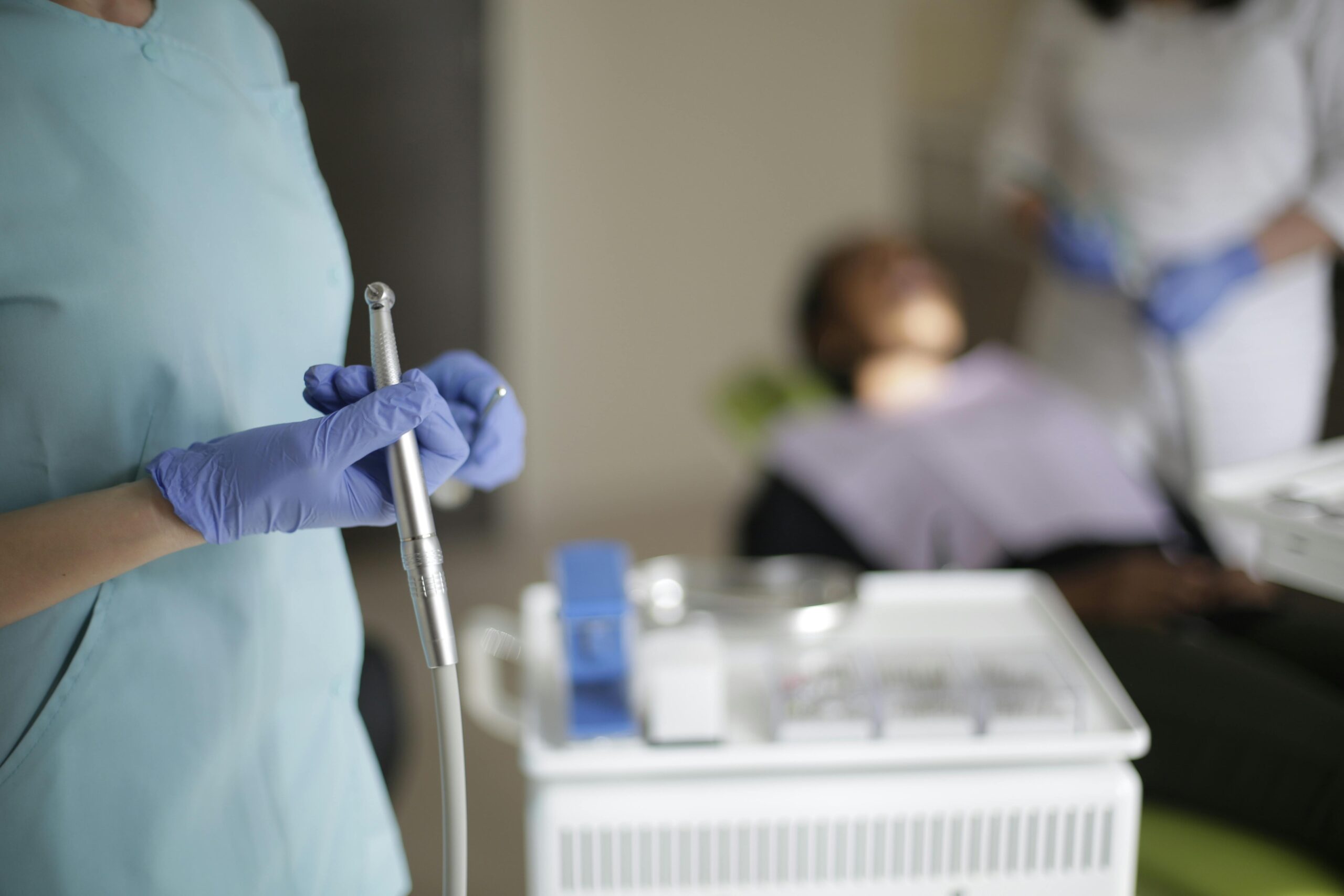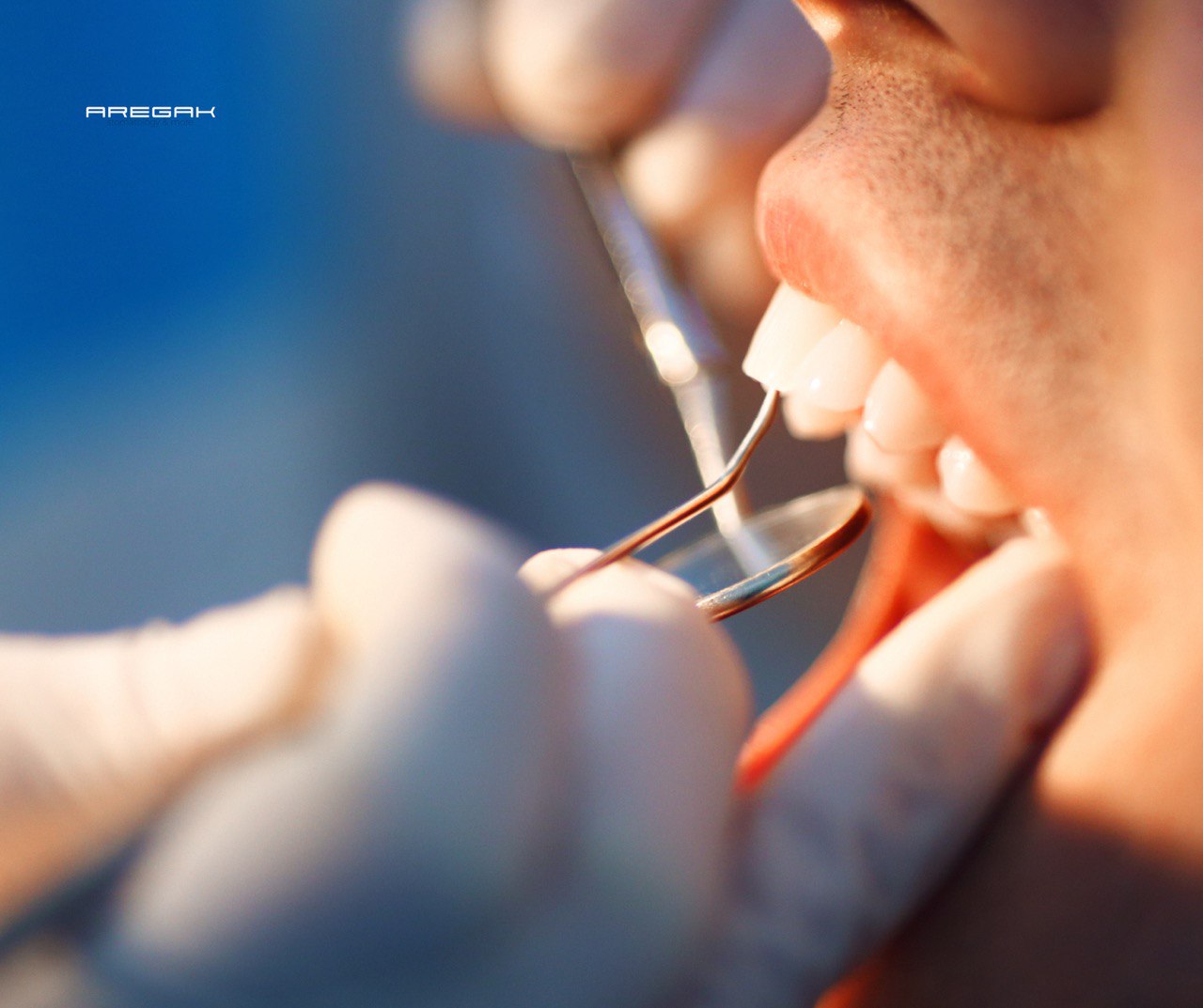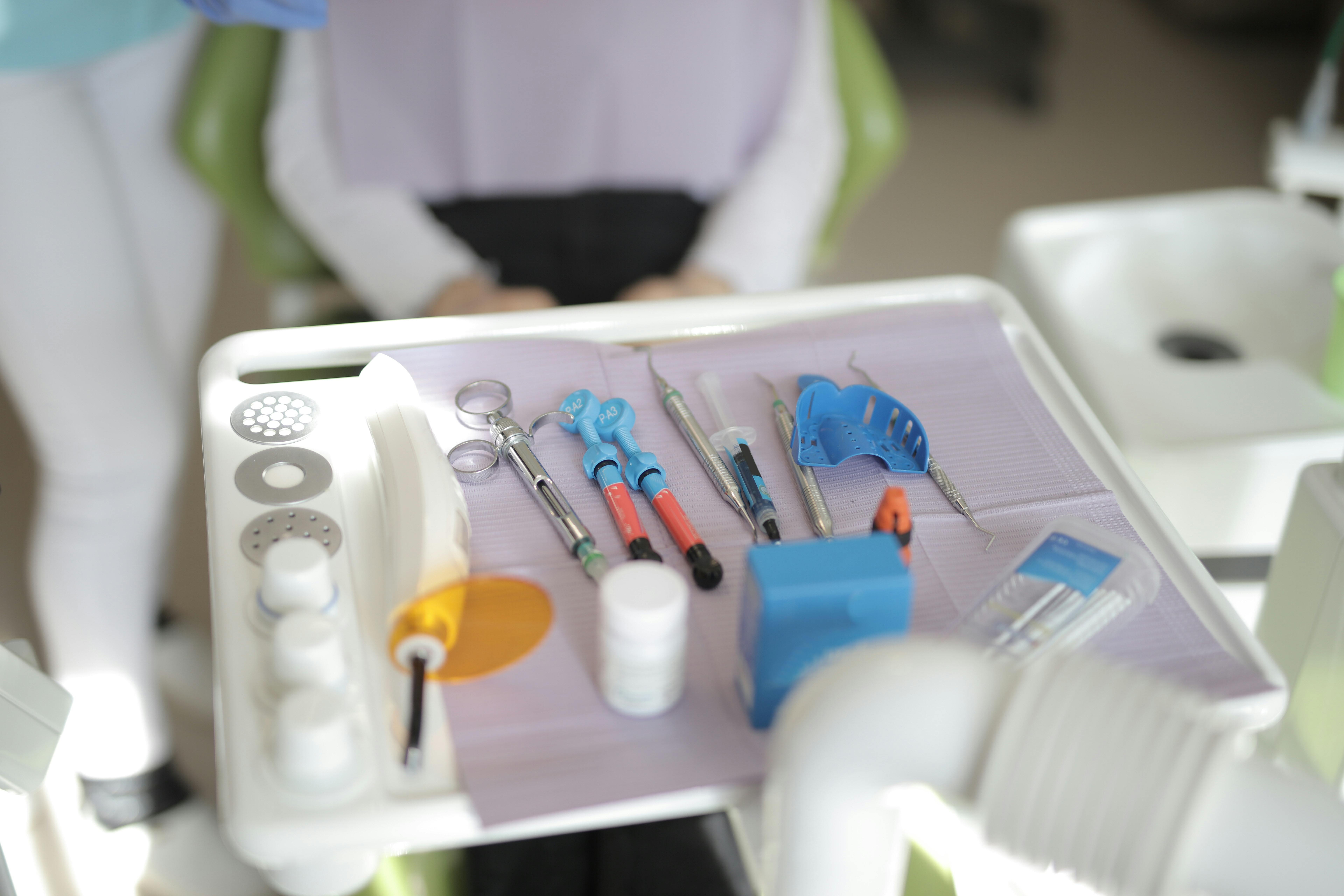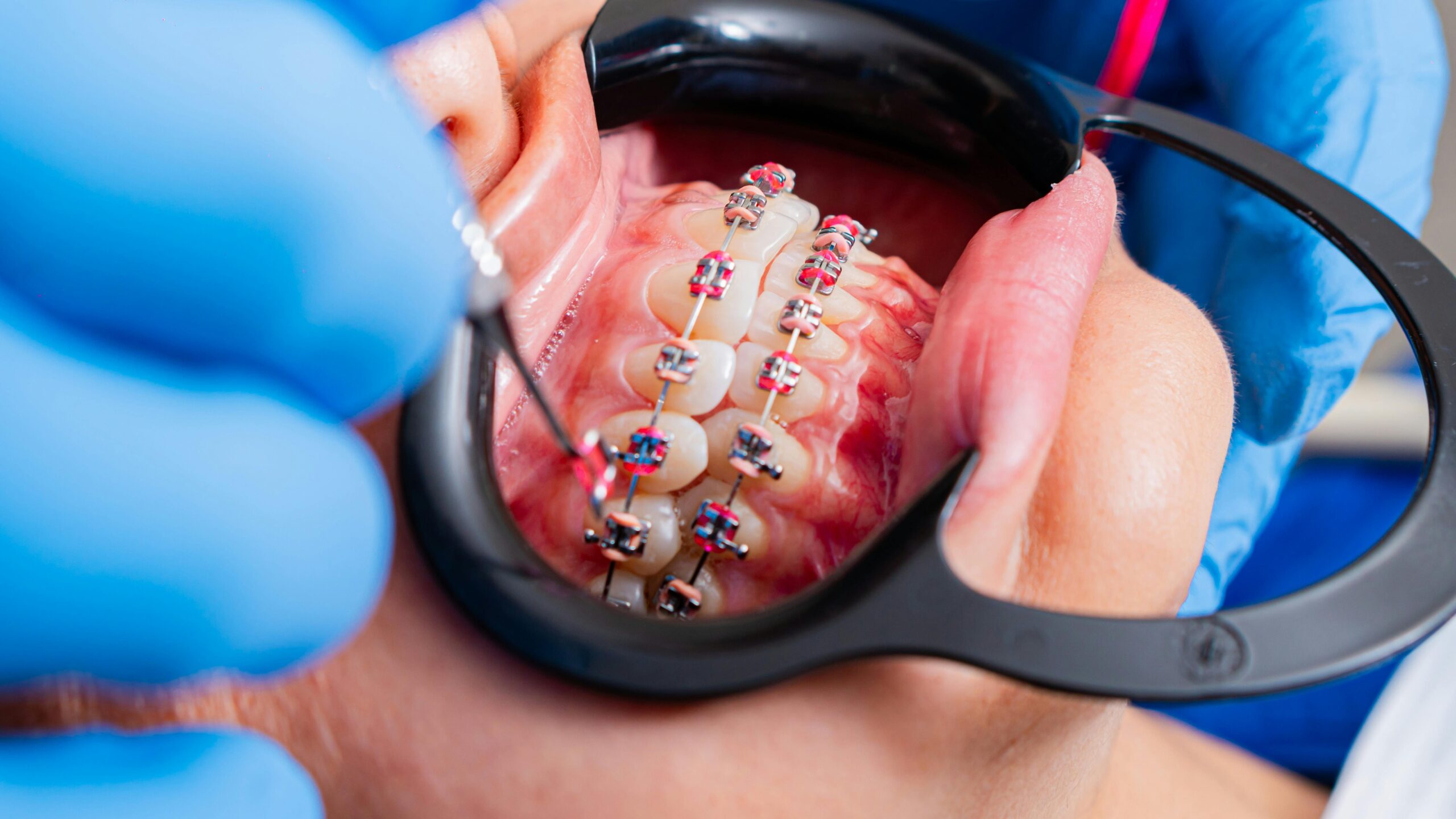



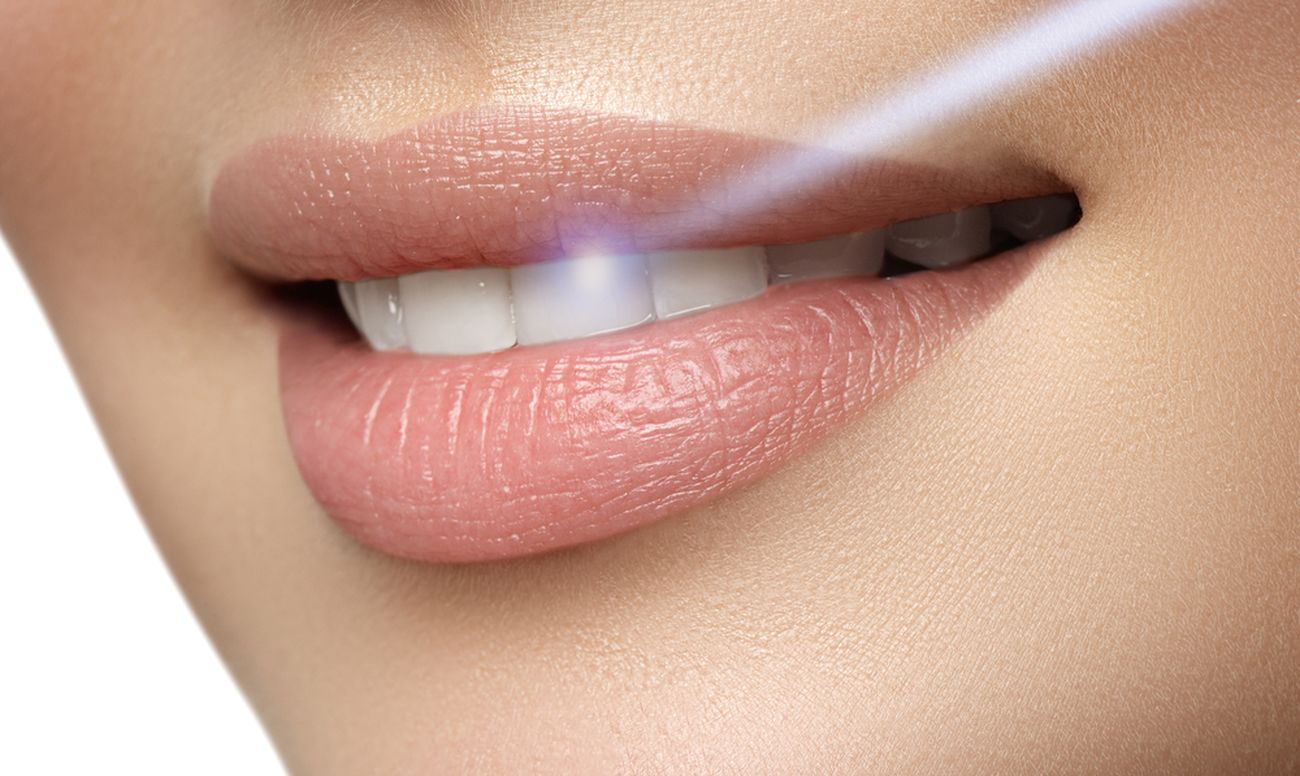
Laser technology has become one of the most innovative and essential tools in modern dentistry. It allows dentists to perform a wide range of procedures more comfortably, accurately, and with minimal invasiveness. With laser treatment, patients experience less discomfort, reduced bleeding, and faster healing — making dental care significantly more pleasant and efficient.
Recent studies confirm that dental lasers are highly effective in eliminating pathogenic microorganisms found deep within oral tissues, where conventional hygiene methods often fail to reach.
The Role of Lasers in Dentistry
Laser technology is used when minimally invasive, painless, and highly controlled treatment is required. Dental lasers allow clinicians to work on both hard dental tissues and soft tissues without mechanical pressure, vibration, or deep tissue trauma.
This approach is particularly effective for:
- reducing gum inflammation and bleeding,
- disinfecting root canals,
- treating periodontitis,
- eliminating bacterial foci,
- performing soft tissue surgical procedures.
Laser treatment significantly reduces discomfort, making procedures nearly painless.
Why Are Dental Lasers So Effective?
Harmful bacteria accumulate not only on the surface of teeth and gums, but also deep within tissues, including:
- deep periodontal pockets,
- soft tissue structures,
- hard-to-reach areas of root canals.
Traditional mechanical or ultrasonic cleaning methods cannot always reach these deep-seated bacterial zones.
Recent studiespublished in the professional journal “Surgery and Medicine”demonstrate that diode lasers can destroy most bacteria up to a depth of 3 mm,without damaging capillaries or surrounding tissues. Compared to conventional methods, this provides a cleaner, safer environment with faster healing.
Key Advantages of Laser Treatment
1. Minimal pain and discomfort
Lasers do not cause vibration, pressure, or cutting sensations. In many cases, local anesthesia is not required.
2. Reduced bleeding and faster healingx
The laser cuts and coagulates simultaneously, minimizing bleeding and accelerating recovery.
3. High level of sterility
Laser energy eliminates bacteria, viruses, and fungi, reducing the risk of reinfection.
4. Exceptional precision
Treatment is limited strictly to affected areas, preserving healthy tissue — especially important in aesthetic dentistry.
5. Comfort for children and anxious patients
The absence of loud sounds and sharp sensations makes treatment psychologically easier and more acceptable.
Laser Applications at Aregak Dental Clinic
Laser technology is widely used for:
- Periodontitis and gingivitis —deep periodontal pocket cleaning and inflammation control
- Endodontic treatment —advanced root canal disinfection
- Cosmetic procedures —gum contouring and smile aesthetics
- Treatment of ulcers and aphthae —rapid pain and inflammation relief
- Minor surgical procedures —frenuloplasty, cyst removal, periodontal pocket therapy
Conclusion
Laser dental technology has transformed modern dentistry, offering patients safer, cleaner, and more comfortable treatment. With its ability to eliminate deep-tissue bacteria, minimize trauma, and speed up healing, laser dentistry represents the future of dental care.
Choosing laser-enhanced treatment means choosing precision, safety, and modern comfort.